
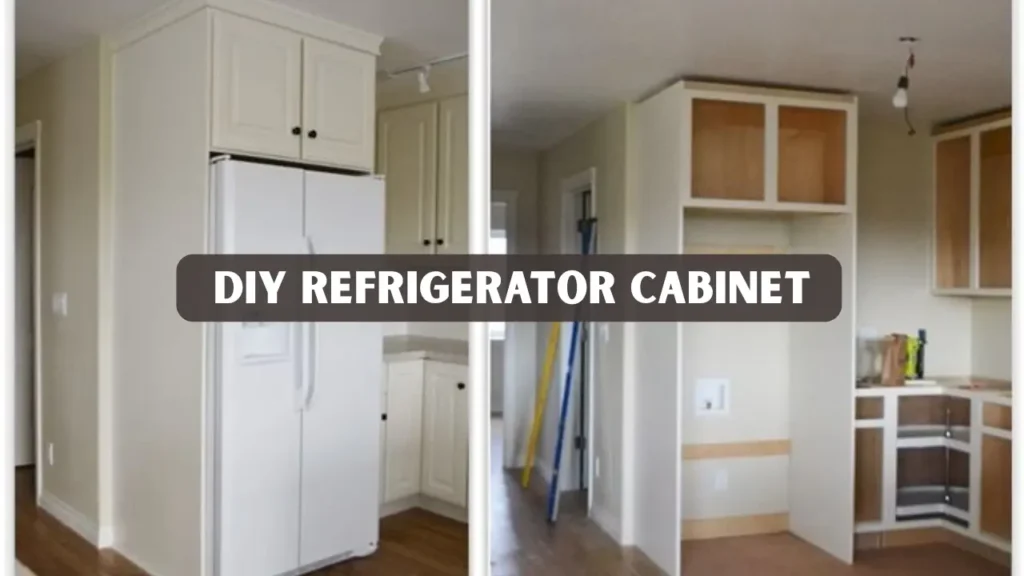
A DIY Refrigerator Cabinet is an excellent way to improve kitchen organization while showcasing your craftsmanship. Building your own cabinet allows you to create a custom fit, add extra storage, and achieve a cohesive design that matches your kitchen style.
This guide will provide all the steps, tips, and examples needed to complete the project successfully. Whether you are a beginner or an experienced DIY enthusiast, you will gain actionable insights to create a high-quality cabinet that lasts for years.
Key Takeaways
- Building a DIY Refrigerator Cabinet improves kitchen storage and visual appeal.
- This guide includes materials, tools, and step-by-step instructions for a professional outcome.
- Customize the cabinet to fit any kitchen design, from modern to rustic.
- The guide ensures safety, durability, and functionality for every DIY enthusiast.
Why Build a DIY Refrigerator Cabinet?
There are several compelling reasons to build your own refrigerator cabinet:
- Custom Fit: Tailor the cabinet to the exact size of your refrigerator and kitchen layout. This ensures a seamless appearance and avoids gaps or awkward spaces in your kitchen design.
- Cost Savings: A DIY project often costs significantly less than purchasing pre-built cabinets. By sourcing materials yourself and doing the labor, you can save hundreds of dollars.
- Improved Aesthetics: Create a visually appealing kitchen that looks polished and well-organized. A well-designed cabinet integrates with your existing décor and elevates the overall style of the space.
- Extra Storage: Include shelves, drawers, or hidden compartments to increase storage options. This added functionality keeps your kitchen tidy and maximizes every inch of space.
- Personal Satisfaction: Enjoy the accomplishment of building something functional and beautiful yourself. Completing a DIY cabinet project provides a sense of pride and a unique personalized touch for your home.
Materials and Tools You’ll Need
Essential Materials
- 3/4 inch plywood or MDF boards for durability. These materials provide a sturdy structure that can support the weight of your refrigerator and any additional storage.
- Wood screws and nails. High-quality screws and nails ensure that all components remain securely fastened over time.
- Wood glue for added stability. Glue strengthens joints and prevents loosening, especially in high-stress areas.
- Paint or wood stain to match kitchen design. Choose finishes that complement your kitchen décor and protect the wood from moisture.
- Cabinet hardware such as hinges and handles. Quality hardware ensures smooth operation and adds a professional touch.
- Shims for alignment and leveling. Shims help create a perfectly level cabinet, which is essential for both aesthetics and functionality.
Essential Tools
- Circular saw or table saw for precise panel cutting
- Drill and screwdriver set for assembly
- Measuring tape and pencil for accurate dimensions
- Level and square to ensure proper alignment
- Clamps to hold pieces while gluing and screwing
- Sandpaper or electric sander for smooth finishes
Tip: Using moisture-resistant plywood or MDF will prevent warping caused by the refrigerator’s humidity and ensure long-term durability.
Planning Your Refrigerator Cabinet
Proper planning ensures your project is efficient, functional, and visually appealing.
- Measure Your Refrigerator: Include height, width, and depth, and leave sufficient clearance for doors to open freely. Accurate measurements prevent issues during assembly and ensure the cabinet fits perfectly in your kitchen.
- Choose the Cabinet Style: Decide between built-in, freestanding, or semi-built-in designs. Each style has its benefits: built-in looks seamless, freestanding is flexible, and semi-built-in balances aesthetics with practicality.
- Create a Blueprint: Draw a detailed layout with precise measurements for all panels, shelves, and storage features. A well-planned blueprint helps avoid mistakes and ensures smooth assembly.
- Decide Storage Features: Determine whether you want shelves, drawers, or pull-out trays. Planning ahead maximizes storage space and allows for customization based on your kitchen needs.
- Check Ventilation: Ensure proper airflow around the refrigerator to maintain efficiency and prevent overheating. Good ventilation prolongs the appliance’s lifespan and improves energy performance.
Step by Step Construction Guide
1: Cutting the Panels
- Measure and cut side, top, bottom, and back panels according to your design. Accurate measurements and precise cuts ensure all panels fit together perfectly, preventing gaps or misalignment during assembly.
- Label each piece for easier assembly. Clearly marking each panel helps you stay organized, reduces errors, and speeds up the building process.
2: Assemble the Frame
- Attach side panels to the bottom panel using wood glue and screws. Combining glue with screws strengthens the joints and prevents shifting over time, ensuring a sturdy foundation.
- Secure the top panel to complete the rectangular frame. Adding the top panel stabilizes the structure and provides a solid base for attaching shelves and the back panel.
- Use clamps to ensure corners are square. Clamping keeps panels in proper alignment while the glue sets, preventing misalignment and a crooked cabinet.
3: Attach the Back Panel
- Fix the back panel with nails or screws. Using the correct size fasteners ensures the back panel stays secure and provides structural integrity to the entire cabinet.
- Ensure the panel aligns flush with the frame for stability. Proper alignment prevents gaps, wobbling, and uneven surfaces, making the cabinet more durable and visually appealing.
4: Add Interior Storage
- Install shelves or pull-out trays based on your layout. Properly positioned shelves or trays maximize storage efficiency and make it easier to access items at the back of the cabinet.
- Use screws and wood glue to secure support structures. Combining screws with wood glue ensures that the shelves or trays remain sturdy and can hold heavier kitchen items without sagging.
5: Finishing Touches
- Sand all surfaces for a smooth finish. Proper sanding removes rough edges and prepares the wood for an even coat of paint or stain, ensuring a professional look.
- Apply primer, paint, or stain to match your kitchen design. Using a primer first helps the paint adhere better and enhances the durability of the finish over time.
- Attach cabinet hardware, including handles and hinges. Ensure that handles and hinges are level and securely fastened for both functionality and aesthetics.
Tip: Finish painting or staining before installing shelves for a cleaner result.
Styling and Customization Ideas
- Modern Design: Use white or gray paint with sleek metal handles for a contemporary look. This style creates a clean, minimalist appearance that complements modern kitchen appliances.
- Rustic Style: Apply a natural wood stain, highlighting grain and texture. Rustic finishes add warmth and character, making the kitchen feel inviting and cozy.
- Enhanced Storage: Add hidden drawers, spice racks, or pull-out shelves. These features maximize space and improve organization, keeping your kitchen clutter-free.
- Decorative Trim: Crown molding creates a built-in, custom appearance. It adds elegance and makes the cabinet look professionally crafted.
- Personal Touch: Use unique hardware or accent colors to match your kitchen theme. Customized details reflect your personality and tie the cabinet into your overall design scheme.
Safety Tips
- Always wear protective goggles while cutting or sanding wood. This protects your eyes from flying debris and dust that can cause serious injury.
- Secure panels with clamps during assembly to prevent slips. Properly clamped panels also ensure accurate alignment and reduce the risk of mistakes.
- Ensure screws and nails are flush to avoid injuries. Countersinking hardware prevents scratches and snagging on clothing or hands.
- Allow paint or stain to dry fully before placing items in the cabinet. This prevents smudges, uneven finishes, and potential damage to both the cabinet and stored items.
Tips to Maximize Functionality
- Use sliding trays to access pantry items easily. This allows you to reach items at the back without removing other objects, saving time and effort.
- Install LED lights inside the cabinet for visibility. Proper lighting ensures you can find items quickly, even in low-light kitchens.
- Keep frequently used items at eye level. This reduces bending or stretching, making daily kitchen tasks more convenient.
- Apply felt pads to shelves to prevent scratches. Felt pads also help reduce noise when sliding trays or moving heavy items.
- Plan for future upgrades, such as wine or beverage storage. Thinking ahead ensures your cabinet remains functional as your storage needs evolve.
Conclusion
A DIY Refrigerator Cabinet is a rewarding project that combines practicality with style. By following careful planning, accurate measurements, and detailed assembly steps, you can build a durable, visually appealing cabinet.
Whether upgrading your kitchen or creating extra storage, this guide provides everything you need to complete a professional project. Your effort will result in a functional and personalized addition that elevates your kitchen.
FAQs
How much does it cost to build a DIY Refrigerator Cabinet?
A typical project costs between $150 and $400, depending on material quality and finish, which is far less than professional cabinet installation.
Can I build a cabinet for a side-by-side refrigerator?
Yes. Accurate measurements and proper ventilation ensure both doors open freely and efficiently.
What type of wood is best for this project?
Moisture-resistant plywood or MDF is ideal. Solid hardwood works but may increase costs.
How long does the project take?
For most DIY enthusiasts, building a cabinet takes 1–3 days, including cutting, assembly, and finishing.
Can I add shelves or drawers inside the cabinet?
Yes, adjustable shelves or pull-out trays are recommended for extra storage and convenience.