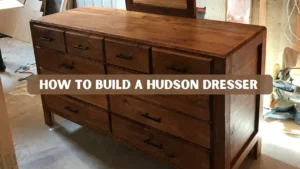


Creating a custom table is one of the most rewarding woodworking projects for anyone who wants to blend craftsmanship with modern style. This project teaches valuable skills such as clean grain matching, precise cutting, and controlled finishing. The design is especially appealing because it adds a sleek and contemporary touch to any room. Many woodworkers appreciate how a single smooth flow from top to side makes a waterfall console table stand out instantly.
This guide walks you through all the essentials needed to build a durable and visually impressive piece. You will learn about the best wood types, recommended tools, and proper joinery methods. The instructions are written to support both beginners and experienced woodworkers. Real case studies are also included to help you understand how others successfully completed this project.
Key Takeaways
- A waterfall console table elevates the look of hallways, living rooms, or entryways.
- Proper planning, measuring, and wood selection are essential for a smooth waterfall edge.
- This guide is suitable for intermediate woodworkers looking for a high-quality DIY project.
- Includes expert tips, finishing techniques, and common mistakes to avoid.
- Two case studies show different approaches to building this modern furniture piece.
Why Build a Waterfall Console Table
A waterfall console table is one of the most rewarding woodworking DIY projects you can take on. It gives you the chance to work with long continuous grain, learn precise joinery, and create a piece of furniture that instantly becomes a focal point in any room. Unlike flat panel projects, a waterfall design lets you practice advanced cutting and grain matching that improve your craftsmanship.
Building this project also gives you full control over materials, dimensions, and style. You can choose premium hardwoods like walnut, ash, or maple and finish them with natural oils for a smooth and elegant look. Many store bought waterfall tables are costly, so making your own saves money while giving you a custom piece that reflects your skill and creativity.
This project is also ideal for woodworkers who want to challenge themselves while still working with manageable tools. You can complete it with a table saw, planer, clamps, and a basic finishing setup. It is both functional and artistic, which makes it a perfect woodworking DIY project for any home.
Materials and Tools Needed
Materials
- Hardwood boards such as oak, maple, or walnut
- Wood glue and clamps
- Screws and finishing nails
- Sandpaper ranging from 80 to 220 grit
- Wood finish or oil to protect and enhance grain
Tools
- Wood lathe for shaping edges
- Router with round-over or cove bits
- Circular saw or table saw
- Measuring tape and square
- Clamps for secure assembly
- Orbital sander or sanding block for smooth surfaces
Step by Step Guide
Step 1: Designing Your Waterfall Table
Planning is the first step toward success. Consider the following:
- Dimensions: Decide on height, width, and depth that fit your space. Proper planning ensures the table complements the room without overpowering it.
- Waterfall edge shape: Sketch side panels so the wood flows naturally from the tabletop to the floor. A well-drawn outline helps you achieve a seamless, visually appealing transition.
- Functionality: Determine if you want additional storage such as drawers or lower shelves. Clarifying this early allows you to design a table that balances style and practicality.
Pro Tip: Use graph paper or digital design software to visualize your table. Proper planning prevents costly mistakes during construction.
Step 2: Selecting and Preparing Wood
Wood selection is crucial for a seamless waterfall edge:
- Choose durable hardwoods such as oak, maple, or walnut for stability and aesthetics. These species offer strength and beautiful grain patterns ideal for long-lasting furniture.
- Inspect boards for warping, knots, or cracks to ensure quality. Selecting clean, straight lumber helps prevent issues during cutting and assembly.
- Cut wood to size using a table saw or circular saw, leaving extra material for shaping edges. This extra allowance gives you room to refine curves and achieve precise dimensions.
- Sand rough surfaces lightly before assembly to make shaping easier. Pre-sanding helps tools glide smoothly and reduces the effort required later in the process.
Step 3: Cutting and Shaping the Waterfall Edge
The waterfall edge defines the elegance of your console table:
- Mark the desired curve on the side panels using a flexible ruler and pencil. This helps you trace a clean, even line that guides accurate shaping.
- Use a router with a round-over or cove bit to carefully shape the edges. Moving slowly and steadily reduces tear-out and keeps the profile consistent.
- Sand progressively from 80 grit to 220 grit for a smooth finish. Each grit level removes the scratches from the previous one for a flawless surface.
- Test fit side panels with the tabletop to ensure perfect alignment. This step ensures the curve flows naturally into the main surface for a seamless look.
Expert Tip: Clamping pieces securely while routing ensures precision and prevents uneven cuts.
Step 4: Assembling
Proper assembly is essential to create a strong, professional-looking table:
- Attach side panels to the tabletop with wood glue and finishing screws. This creates a strong primary bond and ensures the structure remains stable.
- Align edges carefully to maintain a continuous waterfall effect. Proper alignment keeps the grain flowing smoothly for a clean, professional look.
- Use clamps to hold pieces firmly until the glue dries. Even pressure across the joints helps prevent shifting or gaps during curing.
- Consider reinforcing joints with dowels or biscuits for additional strength. These hidden supports add durability without affecting the table’s appearance.
Pro Tip: Dry-fitting all parts before gluing ensures proper alignment and reduces mistakes.
Step 5: Sanding and Finishing Your Table
Finishing adds durability and enhances the beauty of your console table:
- Sand all surfaces thoroughly to remove marks or rough spots. This ensures the final finish goes on smoothly and enhances the wood’s natural beauty.
- Apply a high-quality wood finish, oil, or varnish to protect the wood. A durable finish also increases the table’s lifespan and resistance to daily wear.
- For a modern look, use a clear or lightly tinted finish that highlights the waterfall edge. This helps emphasize the continuous grain flow that defines the design.
- Apply multiple thin coats, allowing sufficient drying time between each. Layering finishes this way creates a smoother, more professional appearance.
Pro Tip: Sand lightly between coats for a smooth, polished finish.
Step 6: Adding Optional Features
Consider customizing your table:
- Drawers: Add a hidden drawer for extra storage. This feature keeps essentials organized without affecting the clean, modern look of the table.
- Lower shelves: Provide space for decorative items or baskets. They enhance both functionality and aesthetics by giving the table a balanced, layered appearance.
- Decorative joinery: Dovetails or finger joints add a handcrafted touch and visual interest. These joints highlight craftsmanship and make the piece stand out as a premium woodworking project.
Real-World Case Studies
- A professional woodworker transformed solid walnut boards into a waterfall console table for a foyer. By carefully routing the edges and sanding meticulously, they achieved a seamless flow from top to floor, creating a modern, minimalist look that became the centerpiece of the room.
- A DIY enthusiast built a maple console table for a living room using reclaimed wood. They incorporated a lower shelf for storage and applied a light natural finish to highlight the wood grain. The project improved their woodworking skills and produced a unique, eco-friendly centerpiece for the home.
Expert Tips
- Measure twice and cut once to avoid mistakes. This simple habit prevents wasted lumber and ensures clean, accurate results.
- Keep tools sharp and maintain steady pressure during routing. Sharp tools reduce tear-out and create smoother edges.
- Dry-fit all pieces before gluing to ensure perfect alignment. This step helps you identify any gaps or uneven joints before the final assembly.
- Invest in high-quality clamps to prevent warping during assembly. Strong, reliable clamps keep your project square and stable while the glue cures.
- Take breaks during sanding and shaping to maintain accuracy and consistency. Pausing frequently allows you to check your progress and avoid oversanding.
Conclusion
Building a waterfall console table is a rewarding project that demonstrates both skill and creativity in woodworking. Selecting the right materials, carefully shaping waterfall edges, and applying proper finishing techniques result in a durable and visually stunning piece. The included case studies show how different woods, finishes, and design choices can create unique, functional furniture. This project is perfect for anyone looking to combine modern design with practical craftsmanship.
FAQs
Can I build a console table with plywood?
Yes, high-quality plywood with a veneer can work, but hardwood provides better durability and a more seamless appearance.
How do I prevent chipping while routing the waterfall edge?
Use a sharp router bit, cut slowly, and support panel edges securely. Clamping reduces the risk of chipping.
What type of finish works best?
Oil finishes like Danish or Tung oil enhance the wood grain, while polyurethane adds durability. Apply multiple thin coats for optimal results.
Can beginners attempt this project?
Intermediate woodworkers will find it easier. Beginners can start with simpler straight-edge tables before attempting curved waterfall edges.
How long does it take to build?
Depending on experience, the project may take 2 to 4 days, including drying time for glue and finish.