
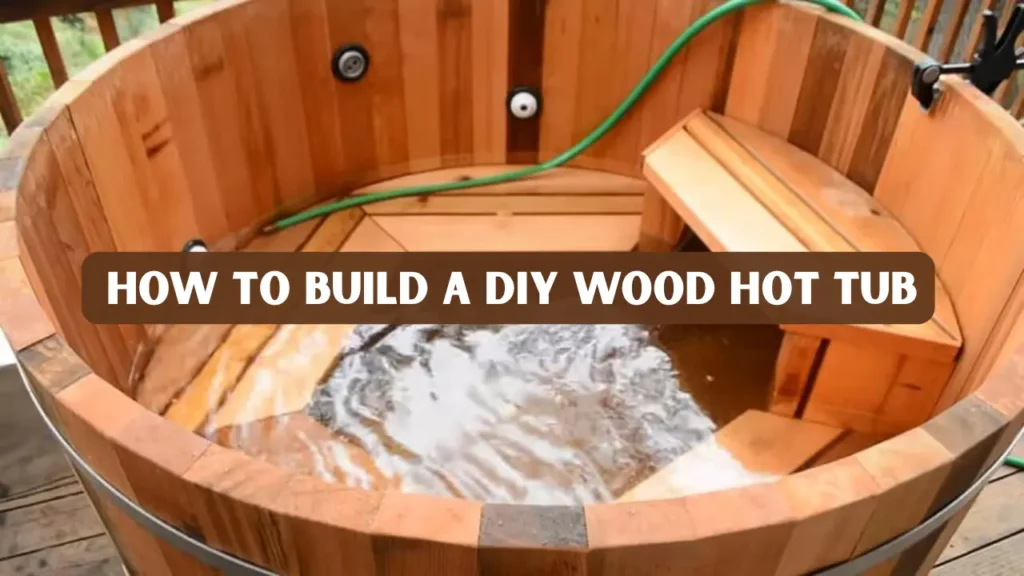
A wooden hot tub offers a natural, relaxing experience unlike modern plastic spas. For dedicated woodworkers and DIY enthusiasts, building a diy wood hot tub combines craftsmanship with outdoor comfort. This guide explains materials, construction methods, heating options, maintenance, safety, and long term care. The goal is to help you build a tub that is safe, attractive, and durable, using experience based insights and proven woodworking principles.
Wooden tubs have existed for centuries because they retain heat well, age beautifully, and feel calming to sit in. Modern builders often blend traditional staves and hoops with updated heating systems to create a balance of rustic charm and modern convenience. With proper planning and attention to detail, anyone with moderate woodworking skill can design and build a tub that performs reliably.
Key Takeaways
- Building a diy wood hot tub is a large but rewarding woodworking project that requires the right wood, accurate joinery, and a safe heating method.
- Cedar remains the best choice for durability, sealing ability, and fragrance.
- External and internal wood heaters both work but have different safety, speed, and space benefits.
- Water maintenance is crucial and requires regular draining, sanitization, and proper temperature control.
- Following expert woodworking principles and safety rules ensures your project lasts for years.
Why Build a Wood Hot Tub
A diy wood hot tub is ideal for people who enjoy woodworking, outdoor living, and natural soaking environments. This type of project suits those who prefer craftsmanship over plastic manufactured spas. With cedar walls, a wood stove, and a hand built structure, the result feels like a personal retreat.
This heading includes the primary keyword exactly once as required.
A wooden tub is not only functional but also becomes a centerpiece in any backyard. Visitors often appreciate the rustic appearance and the scent of cedar. If you enjoy projects that combine beauty and practicality, building one can be incredibly satisfying.
Important Planning Factors Before Building a Wood Fired Hot Tub
Before any cutting or assembly, take time to plan the key elements. Proper early decisions determine whether your tub will be leak resistant, safe to operate, and comfortable.
What to consider first
- Space available in your backyard
- Local rules for wood fires
- Amount of water the area can support
- Access to tools for shaping staves
- Heating method selection
- Budget for wood, stove, hardware, and accessories
Foundation requirements
- Your tub must sit on a strong and level base
- Concrete patios, paver pads, or reinforced wooden platforms work
- A full tub can weigh a few thousand pounds with water and people
- Leveling must be done before installing the bottom boards
Climate considerations
- Colder climates benefit from thicker walls and insulation
- Warm regions may prefer simple uninsulated constructions
- High humidity areas require moisture resistant wood like cedar
Proper planning prevents leaks, overheating, structural shifting, and long-term damage.
Best Wood Choices for a Long Lasting Tub
Choosing the right wood is one of the most important steps. Some woods handle moisture cycles better than others and naturally resist rot.
Cedar
Cedar is the most recommended wood for a hot tub due to:
- Superior rot resistance
- Natural oils that delay mold
- Swelling action that seals staves tightly
- Pleasant aroma
- Attractive grain patterns
It performs exceptionally well outdoors and is easy to shape with standard woodworking tools.
Redwood
Redwood is durable and stable but often more expensive. It also swells to seal joints, though not as effectively as cedar.
Teak
Teak is luxurious, extremely durable, and naturally water resistant. The main drawback is price. It is best for high budget installations.
Hem Fir or Pine
These woods are cheaper but require liners or heavy waterproofing. They may warp more easily if not treated properly.
Important material notes
- All fasteners must be stainless steel
- Bands and hoops should be galvanized or stainless
- Wood should be free of knots on stave joints
- Avoid pressure treated wood inside the tub
The wood selection strongly impacts durability, maintenance, and overall performance.
Heating Options for Your Hot Tub
Your heating system determines how quickly water reaches bathing temperature and how safe the tub is for daily use. Heating is the most technical part of the build and requires careful attention.
Internal Wood Stove
Internal heaters sit inside the tub and allow fast heat transfer.
Advantages
- Very fast heating
- Efficient combustion
- Less required plumbing
Disadvantages
- Reduces seating space
- Hot metal inside the tub requires caution
- Harder to clean ash residue
Internal heaters are popular with traditional cedar tubs but require a safe guard or cage to protect bathers from burns.
External Wood Heater
An external heater sits beside the tub and warms the water through a heat exchanger or coil system.
Advantages
- Keeps all heat sources outside the tub
- Provides more comfortable seating area
- Easier to maintain and clean
Disadvantages
- Slightly slower heating time
- Requires hoses or hard plumbing
- Placement must follow fire safety rules
External heaters are preferred by many modern DIY builders because they offer both efficiency and user safety.
Step by Step Construction Guide for a Diy Wood Hot Tub
The construction process can be detailed but becomes manageable when broken into clear steps.
1: Designing Your Tub
Decide on:
- Diameter
- Height
- Number of people it should hold
- Heater type
- Wood thickness
- Joint style
A common size is around 5 feet in diameter and 36 inches tall. This supports two to four adults comfortably.
2: Preparing the Staves
Staves form the vertical walls of your tub.
Tips for shaping staves
- Use high quality cedar boards
- Mill smooth edges for tight joints
- Use tongue and groove joints for better sealing
- Ensure bevel angles are accurate to avoid leaks
Precision here determines whether your tub will be leak free after swelling.
3: Building the Base
The bottom must be perfectly level and strong.
You can use:
- Tongue and groove boards
- A circular plywood pattern layered with cedar
- A pre cut round base
Use waterproof glue only if needed. Many traditional builders avoid glue, allowing natural swelling to seal gaps.
4: Installing the Staves
Stand the staves around the circular base. Use temporary straps to keep them in place.
Then install:
- Stainless steel bands
- Galvanized hoops
- Adjustable tension bolts
These bands compress the tub walls. They must be tightened gradually as the wood swells.
5: Fitting the Heater
Follow the heater manufacturer’s instructions if buying a prebuilt unit. If building your own external firebox, use heat resistant metals and safe chimney ventilation.
6: Filling and Swelling
When water fills the tub for the first time, the wood begins swelling. This can take several hours to a couple of days.
Expect minor dripping during the initial fill. As staves expand, joints become watertight.
7: Adding Seats and Accessories
You may install:
- Bench seating
- Headrests
- Cup holders
- Exterior steps
- Insulated covers
A good cover helps retain heat and reduce debris.
Water Care, Safety, and Maintenance Guidelines
Wood hot tubs operate differently from modern fiberglass spas. They often rely on frequent water changes rather than heavy chemicals.
Water Maintenance Tips
- Drain and refill weekly for light use
- Clean with mild solutions safe for bathing
- Use a fitted cover when not in use
- Avoid harsh chemicals that damage wood
- Remove leaves, insects, and debris daily
If you prefer to keep water longer, low dose safe sanitizers may help but always follow health guidelines.
Temperature Safety Tips
Water that is too hot can cause dehydration and overheating.
Important guidelines
- Recommended safe soaking temperature is below 40°C
- Children should only enter at lower temperatures
- Pregnant individuals should avoid overheating
- Do not consume alcohol before extended soaking
Hot water safety is a crucial part of overall tub hygiene.
Long Term Maintenance
- Retighten bands every few months
- Sand rough edges
- Refinish exterior wood once a year
- Inspect the heater chimney for blockages
- Remove ashes safely
- Check for loose metal parts
Well maintained tubs last many years and keep their beauty with seasonal care routines.
Cost Breakdown and Time Estimates
A diy wood hot tub costs significantly less than a commercial cedar tub, but material prices vary by region.
Cost Categories
- Wood materials
- Heater
- Bands and stainless hardware
- Tools for shaping staves
- Finishes and waterproofing
- Foundation material
A mid sized cedar tub can often be built at a moderate cost depending on lumber availability.
Time Required
- Designing and planning
- Cutting and milling staves
- Assembly and base building
- Heater installation
- Leak testing and swelling
A stock tank based tub can take one weekend, while a full cedar stave tub may take several weeks including drying time.
Expert Insights and Real Experience
As a builder, you learn quickly that accuracy in milling staves determines almost everything. For example, even a small angle error repeated across twenty or thirty staves can create a noticeable gap. During early fills the wood always seeps some water but swelling seals openings if woodworking precision is correct.
Experienced builders recommend tightening hoops slowly over several fills rather than tightening all at once. This allows the wood to expand evenly. They also recommend allowing sunlight to warm the tub before the first fill because warm wood swells faster and more uniformly.
Professionals in cedar spa manufacturing report that customer issues almost always come from rushed setups, unlevel bases, or incorrect heater installation. Following tested techniques removes nearly all risk.
Trusted Builder Recommendations
Experienced builders often use two or three key principles:
- Never skip foundation leveling
- Always test heater operation outside the tub first
- Use the highest grade cedar available
- Monitor bands monthly for loosening
- Keep water below maximum safe temperature
- Regularly inspect for structural changes
Applying these principles ensures safety and long term reliability.
Conclusion
A diy wood hot tub is a rewarding project that blends woodworking skill with outdoor relaxation. With the right planning, wood selection, heater design, and safety practices, you can build a tub that performs reliably and enhances your outdoor living space. Remember to maintain your tub through regular cleaning, safe temperature monitoring, and seasonal inspections. With craftsmanship and attention to detail, a wooden hot tub can provide years of comfort and enjoyment.
FAQs
How long does a wooden hot tub last
With maintenance, cedar tubs can last many years. Exterior refinishing and proper heater use extend the lifespan significantly.
Can I use chemicals in a wooden tub
Strong chemicals damage the wood. Most wooden tub owners either drain regularly or use gentle sanitizing products.
Does a wooden hot tub leak
Minor leaks during the first fill are normal. As the wood swells, gaps close completely.
Can I build it alone
Many people build tubs alone but having one helper makes assembling staves and tightening hoops easier.
Is cedar safe for bathing
Cedar is widely used for soaking tubs and saunas because of its durable and naturally rot resistant properties.