
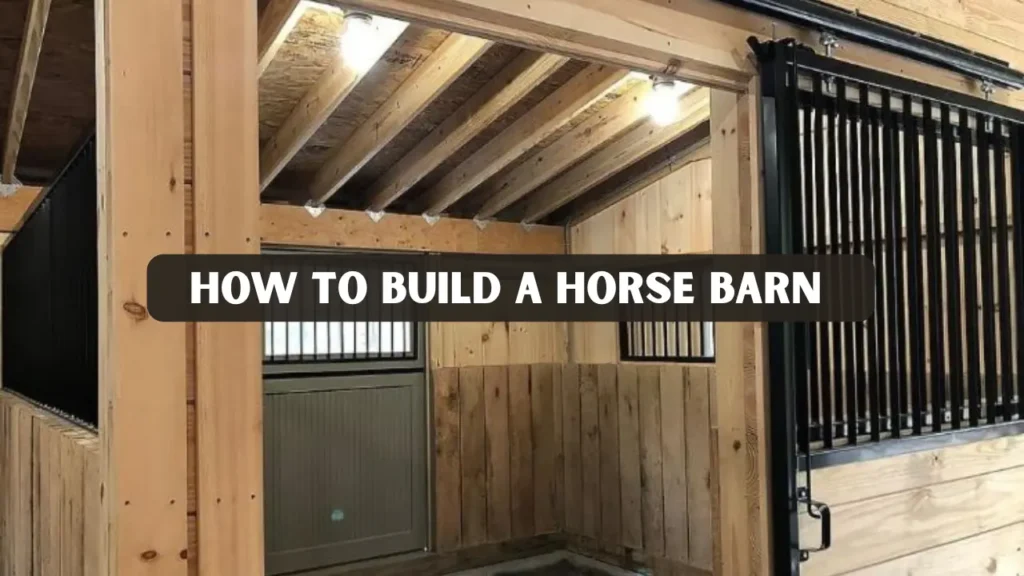
Building a horse barn is a rewarding project that allows you to provide a safe and comfortable home for your horses while honing your DIY skills. Whether you are a hobby farmer or an equestrian enthusiast, constructing your own barn can save costs and give you full control over the design. In this guide, we will cover everything from planning and materials to construction and maintenance so that you can confidently build a horse barn tailored to your needs. Proper planning and execution ensure safety, durability, and long-term satisfaction.
Key Takeaways
- Learn how to plan, design, and construct a safe and functional horse barn.
- Discover the best materials, tools, and construction techniques to build a horse barn.
- Understand legal, zoning, and safety considerations for horse barns.
- Step-by-step guide suitable for beginners and DIY enthusiasts.
- Case studies provide real-world insights into successful DIY barn construction.
Why Build a Horse Barn
Understanding why you want to build a horse barn helps you plan and design a structure that truly meets your needs.
- Safety: A custom-built barn ensures safe housing for your horses, reducing risks of injury from poor design or inadequate ventilation.
- Cost Efficiency: DIY barn construction can save significant labor costs compared to hiring contractors or purchasing pre-built barns.
- Customization: You can tailor stall size, aisle width, tack rooms, feed storage, and ventilation according to your horses and farm layout.
- Comfort: Proper layout and materials improve horse health and comfort, including better airflow, lighting, and drainage.
- Future Expansion: A self-built barn allows you to plan for additional stalls or riding facilities as your farm grows.
By clarifying the benefits of building your own barn, you set a clear vision before the construction process begins.
Planning
Planning is the foundation of a successful barn project. Before picking up a hammer, consider location, size, layout, and budget. Proper planning reduces mistakes, saves money, and ensures the barn meets long-term needs.
Choosing the Right Location
- Select level ground away from flood zones to prevent water damage. A stable, elevated site protects your barn and horses from potential flooding.
- Ensure easy access for vehicles, feed delivery, and daily maintenance. Convenient access simplifies chores and reduces the time and effort needed for daily care.
- Consider sunlight, wind direction, and drainage to provide a healthy environment for your horses. Proper site orientation improves ventilation, comfort, and overall horse health.
Determine Barn Size and Layout
- Plan the number of stalls based on the number of horses. Proper planning ensures each horse has enough space for comfort and safety.
- Include tack rooms, feed storage, grooming areas, and wash racks. Well-organized spaces improve efficiency and make daily barn management easier.
- Ensure good ventilation and natural light to support horse health. Proper airflow and lighting reduce respiratory issues and promote overall well-being.
- Consider future expansion if you plan to add more horses. Planning for growth saves time and money when adding stalls or facilities later.
Budgeting and Materials
- Estimate costs for wood, metal roofing, concrete, nails, and screws. Accurate cost estimation helps you stay within budget and avoid unexpected expenses.
- Consider renting or buying tools if not available. Choosing the right tools ensures efficiency and safety during construction.
- Prioritize quality materials to reduce long-term maintenance and increase the lifespan of your barn. Using durable materials saves money over time and ensures a stronger, longer-lasting structure.
Essential Tools and Materials
Having the right tools and materials is critical for a smooth construction process.
Tools Needed
- Circular saw, drill, hammer, measuring tape, carpenter’s square
- Clamps and brackets for secure framing
- Ladder, level, and safety gear
Materials Required
- Lumber: Pine, oak, or pressure-treated wood
- Concrete for foundation
- Nails, screws, and metal brackets
- Roofing: Metal sheets or shingles
- Optional: Pre-fabricated stall kits and barn doors
Safety Gear
- Gloves, goggles, steel-toed boots, and hearing protection
- First-aid kit on-site
Step by Step Guide
Follow these steps to construct a functional and safe horse barn.
1. Site Preparation
- Clear debris, trees, and rocks from the site. Removing obstacles creates a safe and manageable workspace for construction.
- Level the ground and add gravel for stability. A level and stable surface ensures a solid foundation and prevents uneven settling.
- Install basic drainage systems to prevent water pooling. Proper drainage protects the barn foundation and reduces the risk of water damage over time.
2. Laying the Foundation
- Choose between a concrete slab or pier foundation depending on your budget and barn size. Selecting the right foundation type ensures long-term stability and meets your construction needs.
- Ensure the foundation is level and secure. A level foundation prevents structural issues and provides a solid base for the barn.
- Reinforce corners and load-bearing areas to provide a stable base. Proper reinforcement increases durability and ensures the barn can support the roof and walls safely.
3. Framing the Barn
- Build wall frames and attach posts securely. Strong framing provides stability and forms the foundation for the rest of the barn structure.
- Use brackets and screws to reinforce all connections. Reinforcing joints ensures the barn can withstand weather and daily use safely.
- Check alignment with a carpenter’s level to avoid structural issues. Proper alignment prevents uneven walls and maintains overall barn integrity.
4. Roof Installation
- Choose a gable, gambrel, or shed roof style suitable for your climate. Selecting the right roof design ensures proper drainage and long-term durability.
- Install trusses carefully, securing with temporary supports if necessary. Correct installation prevents structural issues and provides a strong framework for the barn.
- Attach roofing sheets and ensure proper waterproofing. This protects the barn interior from leaks and shields horses from weather conditions.
5. Interior Layout
- Build stalls, tack rooms, and feed storage areas. Properly planned spaces improve organization and make daily barn management easier.
- Install doors, partitions, and gates. Secure and well-fitted fixtures ensure horse safety and smooth movement inside the barn.
- Ensure proper spacing to provide comfort and safety for horses. Adequate spacing reduces stress, prevents injuries, and promotes healthy living conditions.
6. Finishing Touches
- Paint or stain wood to improve durability and aesthetics. This also protects the wood from weather damage and extends the lifespan of your barn.
- Install ventilation, water supply, and lighting to create a safe and functional environment. Proper installation ensures comfort for horses and efficiency for daily barn operations.
- Conduct thorough safety checks before housing horses. This helps identify potential hazards and ensures a secure environment for both horses and handlers.
Case Studies
- A Texas couple built a 3-stall DIY horse barn on a hobby farm in 5 weeks. They stayed under budget at $8,400 by careful planning and using pressure-treated wood and a metal roof. The project highlights the importance of a solid foundation, proper ventilation, and using quality materials to reduce maintenance.
- A small equestrian center in Kentucky constructed a 5-stall barn using volunteer labor and pre-fabricated trusses. The project was completed in 6 weeks and ensured proper ventilation and drainage for long-term horse safety. This case demonstrates how pre-fabricated components can save time while maintaining quality and safety standards.
Maintenance Tips for Longevity
Keeping your barn in top shape prolongs its lifespan and ensures horse safety.
- Clean stalls regularly to prevent ammonia buildup and maintain hygiene. This also helps reduce the risk of respiratory issues and keeps horses comfortable.
- Inspect roofing, siding, and foundation annually for any damage or wear. Early detection of problems prevents costly repairs and ensures structural safety.
- Treat wood with weatherproof sealants to prevent rot and structural damage. Regular treatment extends the lifespan of the barn and protects your investment.
- Maintain ventilation to reduce mold, moisture, and the risk of respiratory problems. Proper airflow also helps regulate temperature, keeping horses cooler in summer.
- Check drainage and fix any pooling water around the barn to protect the foundation. Effective drainage prevents soil erosion and preserves the stability of the structure.
Conclusion
Building your own horse barn is a rewarding DIY project that blends skill, planning, and creativity. By carefully selecting the site and choosing quality materials, you can create a safe and comfortable space for your horses. Following a step-by-step construction plan ensures the process is organized and manageable. Proper attention to design and layout also enhances the barn’s functionality and overall efficiency.
Ongoing maintenance is key to protecting your investment and ensuring long-term durability. Regular inspections, cleaning, and repairs keep your barn safe and well-structured. Whether you are a hobby farmer or an equestrian enthusiast, these steps provide confidence and peace of mind. By following this guide, you can successfully build a horse barn that meets all your needs and lasts for years.
Frequently Asked Questions
How much does it cost to build a horse barn?
Costs vary by size, materials, and labor. Small DIY barns can range from $5,000 to $10,000, while larger commercial barns may exceed $50,000.
Can I build abarn myself without experience?
Yes, with proper planning, step-by-step guidance, and attention to safety. Case studies show beginners can successfully build small barns in 4 to 6 weeks.
What materials are best for a DIY horse barn?
Pressure-treated wood for framing, metal or shingle roofing, concrete for foundation, and quality fasteners ensure durability and longevity.
How long does it take to build a small barn?
A small 3–5 stall barn can typically be completed in 4 to 6 weeks, depending on tools, materials, and labor availability.
Do I need permits to build a barn on my property?
Yes, check local zoning laws and building codes. Permits may be required for foundations, electrical work, or structural modifications.