
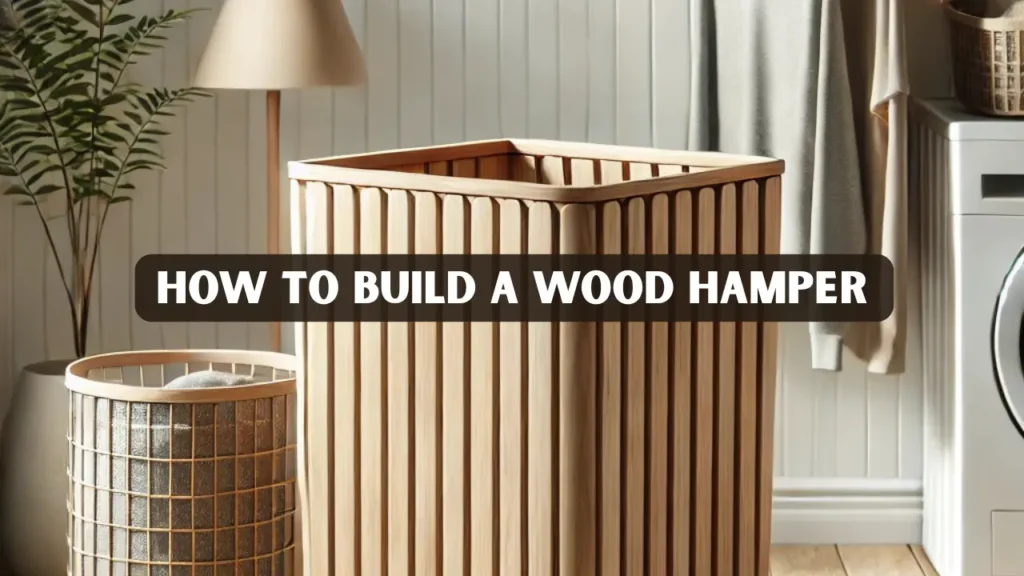
Building a wood hamper is a highly rewarding and practical woodworking project. It not only provides an efficient storage solution for laundry but also enhances the aesthetic appeal of your home. With the right approach, it combines both functionality and style in a single piece. This DIY project is ideal for beginners and experienced woodworkers alike.
In this guide, you will learn the essential materials and tools needed for the project. Step-by-step instructions will help you assemble the hamper correctly and efficiently. We will also explore creative design ideas to make your hamper unique. Additionally, maintenance tips and expert recommendations are included to ensure durability and long-term use.
Key Takeaways:
- Step-by-step instructions to design and build a durable and stylish wood hamper.
- Following clear steps ensures your project is completed efficiently and correctly, even if you are a beginner.
- Materials, tools, and finishing tips for a professional result.
- Using the right supplies and techniques gives your hamper a polished, long-lasting appearance.
- Creative ideas and maintenance guidance to ensure long-lasting use.
- Incorporating design tips and proper care extends the life of your hamper while keeping it visually appealing.
Why a Wood Hamper is Better Than Other Storage Options
Wood hampers provide unique advantages compared to plastic or fabric alternatives:
- Durability: High-quality wood withstands daily wear and tear and lasts for years. Choosing the right type of wood ensures your hamper remains sturdy over time.
- Aesthetic Appeal: Wood offers warmth and elegance that complements any room. The natural grain and texture add a sophisticated touch to your interior decor.
- Customizable Design: Size, finish, and style can be tailored to your needs. Personalizing the design allows the hamper to match your space perfectly.
- Eco-Friendly Choice: Sustainable wood is a renewable alternative to plastic. Using eco-friendly materials helps reduce environmental impact while creating a functional piece.
Materials and Tools Needed
Materials
- Hardwood or softwood planks (oak, pine, maple, or bamboo). Choosing the right wood type affects both durability and appearance of your hamper.
- Wood glue and screws. These ensure strong joints and long-lasting stability for your project.
- Sandpaper of various grits. Sanding smooths the surface and prepares it for a polished finish.
- Wood stain or paint (optional). Applying a finish enhances the wood’s appearance and protects it from moisture.
- Hinges and handles for the lid. Proper hardware makes the hamper functional and easy to use.
- Protective varnish or sealant. This layer safeguards the wood against wear and environmental damage.
Tools
- Table saw or hand saw: Using the right saw ensures precise and clean cuts for a professional-looking hamper.
- Drill with appropriate bits: Drilling accurately makes assembly easier and strengthens the joints.
- Measuring tape: Accurate measurements prevent mistakes and ensure all parts fit perfectly.
- Clamps: Clamps hold pieces securely in place while glue sets, maintaining proper alignment.
- Carpenter square and pencil for marking: These tools help achieve perfectly square corners and precise cuts.
- Safety equipment (gloves, goggles): Protecting yourself ensures a safe and accident-free woodworking experience.
Expert Tip: Choose wood with minimal knots and cracks to ensure a smoother build and longer-lasting hamper.
Step by Step
1. Plan Your Wood Laundry Hamper Design
- Measure the available space in your laundry room. Accurate measurements ensure the hamper fits perfectly without overcrowding the area.
- Sketch a simple blueprint including height, width, and depth. A blueprint helps visualize the design and prevents mistakes during assembly.
- Decide if you want a single compartment or multiple sections for sorting clothes. Choosing the right layout improves organization and makes laundry tasks easier.
- Consider ventilation to prevent odor buildup. Proper airflow keeps clothes fresh and reduces the risk of mildew.
2. Cutting the Wood Panels
- Measure and mark all panels according to your blueprint. Careful marking ensures accurate cuts and prevents wasted material.
- Use a table saw for precise and straight cuts. Straight cuts make assembly easier and give the hamper a professional finish.
- Sand all edges to remove splinters and rough spots. Smooth edges improve safety and prepare the wood for staining or painting.
3. Assembling the Base and Sides
- Apply wood glue along edges before screwing panels together. The glue strengthens joints and ensures long-lasting durability.
- Use clamps to hold pieces firmly in place until glue sets. Clamps prevent shifting and help maintain perfect alignment.
- Check that the frame is square using a carpenter’s square. A square frame guarantees the lid will fit correctly and opens smoothly.
- Ensure corners are flush to avoid misalignment of the lid. Properly aligned corners create a polished, professional-looking finish.
4. Attaching the Lid and Handles
- Position hinges evenly for smooth operation. Proper hinge placement ensures the lid opens and closes without sticking.
- Test the lid for clearance and alignment before final installation. This step prevents uneven gaps and ensures a snug fit.
- Attach handles for easier lifting and accessibility. Handles make using the hamper more convenient and practical.
- For modern aesthetics, consider hidden or recessed handles. This design choice creates a sleek and streamlined appearance.
5. Sanding and Finishing
- Start with coarse sandpaper and progress to finer grit for a smooth finish. Sanding removes rough spots and prepares the wood for a polished surface.
- Apply your choice of stain or paint, ensuring even coverage. Make sure to spread it evenly for a professional look.
- Finish with a protective varnish or sealant to increase durability. This layer shields the wood from moisture and daily wear.
- Let each coat dry completely before applying the next. Allowing proper drying ensures a smooth and long-lasting finish.
Pro Tip: For a decorative touch, try combining two wood stains or using a patterned inlay.
Case Study
- A family in Chicago replaced multiple plastic laundry baskets with a custom-built wood hamper. They reported that the new hamper improved room aesthetics and significantly reduced wear and tear from daily use.
- A couple in USA built a rustic wooden hamper with two compartments. They reported improved laundry organization and saved 30% of their time sorting clothes.
Creative Design Ideas
- Modern Minimalist: Clean lines, neutral stain, and hidden handles. This design creates a sleek and unobtrusive look that blends seamlessly with contemporary interiors.
- Rustic Hamper: Reclaimed wood, visible grain, and natural imperfections. It adds character and warmth to your space while promoting sustainable woodworking practices.
- Compartmentalized Design: Separate sections for whites, colors, and delicates. This layout helps organize laundry efficiently and saves time during sorting.
- Bamboo Style: Lightweight, eco-friendly, and perfect for small spaces. Bamboo hampers are durable yet easy to move, making them ideal for apartments or compact rooms.
- Lift-Top Design: Makes accessing clothes easier and keeps room tidy. The lift-top feature also allows you to hide laundry quickly, maintaining a clutter-free environment.
Maintenance Tips for Longevity
- Wipe the hamper regularly with a damp cloth. This removes dust and dirt buildup, keeping the wood looking clean and polished.
- Avoid placing wet clothes directly inside to prevent warping. Moisture can cause the wood to bend or crack, reducing the hamper’s lifespan.
- Reapply protective varnish every year to maintain the finish. A fresh coat of varnish preserves the wood’s appearance and protects it from wear.
- Check hinges and screws periodically to ensure safety. Tightening loose hardware prevents accidents and keeps the hamper functioning smoothly.
- Keep the hamper away from direct sunlight to prevent fading. Excess sun exposure can discolor the wood and damage its finish over time.
Common Mistakes to Avoid
- Skipping sanding or using low-quality sandpaper: This can leave rough edges and splinters, making the hamper unsafe and less visually appealing.
- Ignoring measurements and square alignment: Poor alignment can cause the hamper to be unstable or uneven, affecting both function and appearance.
- Applying stain or varnish unevenly: Uneven finishing can result in blotches and reduce the overall durability of the wood surface.
- Overloading the hamper beyond its design capacity: Excess weight can weaken joints and hinges, leading to premature damage or breakage.
- Using non-durable wood that can warp over time: Weak or inappropriate wood types may bend or crack, shortening the lifespan of the hamper.
Conclusion
A wood hamper provides more than simple laundry storage; it adds style and functionality to any room. Following this guide allows you to create a durable and elegant piece for your home. Whether you choose a modern, rustic, or bamboo-inspired design, it improves organization. This DIY project combines practicality with a visually appealing custom touch.
Begin your project today and experience the satisfaction of crafting a unique, handmade hamper. Each step allows you to showcase your woodworking skills while adding value to your home. The process is rewarding and results in a piece built to last. Enjoy the blend of craftsmanship, style, and utility in your custom creation.
FAQs
Can I use softwood instead of hardwood?
Yes, softwood such as pine is easier to work with and lighter, but it may dent or scratch more easily than hardwood.
How much does it cost to build a diy hamper?
Depending on wood type, hardware, and finish, the cost usually ranges from $50 to $150 for a DIY project.
How long does it take to build a hamper?
A simple design can take 4–6 hours, while more elaborate designs may require 1–2 days.
Can I make a foldable laundry hamper?
Yes, using hinges and folding panels, you can design a collapsible laundry hamper ideal for small spaces.
Are laundry hampers eco-friendly?
Absolutely. Using sustainably sourced wood and natural finishes reduces environmental impact compared to synthetic alternatives.