
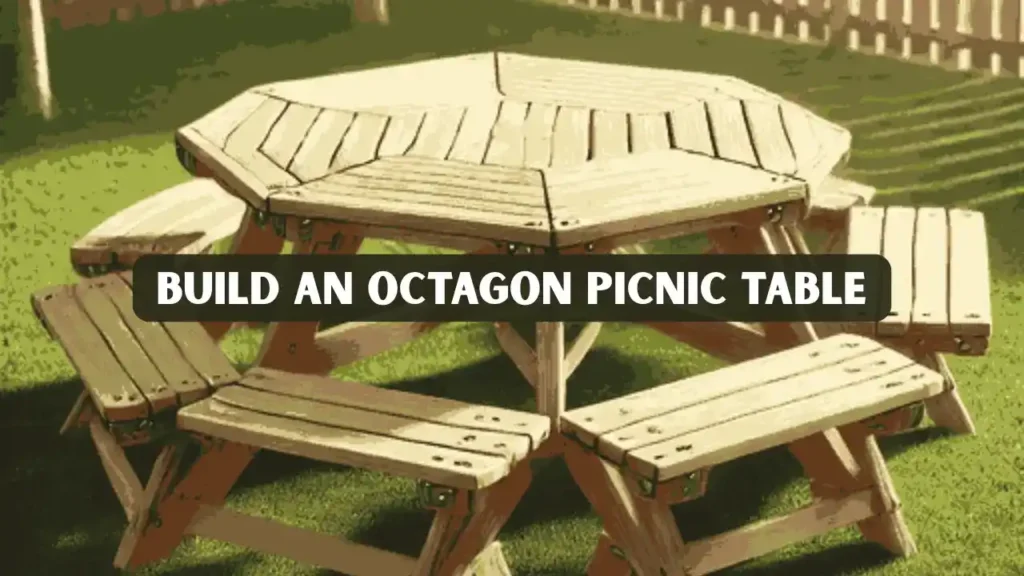
A handcrafted outdoor octagon picnic table can completely transform a backyard, patio, garden, or recreation area. It becomes a gathering point where families share meals, friends enjoy conversation, and children play games. The octagonal table design is especially popular among woodworkers because of its symmetry and its ability to seat a larger group without taking up excessive space.
This guide breaks down every stage so you can build with confidence. You will learn what materials work best for outdoor furniture, how to assemble angled components, how to make balanced supports, how to secure benches, and how to finish wood so it lasts for years. Whether you are an experienced builder or a beginner who wants a clear path to follow, this resource gives you all the information you need.
Key Takeaways
- This guide explains how to plan, build, assemble, and finish an octagon picnic table.
- Learn to select the best wood for durability and outdoor use.
- Understand joinery techniques and support structures for stability.
- Discover how to assemble angled components and secure benches properly.
- Follow finishing tips and a structured approach to ensure long-lasting results.
Understanding the Structure of an Octagonal Table
Before cutting the first board, you should understand the geometry behind the table. An octagonal surface consists of eight sides of equal length arranged around a center point. The design provides a round table feel with a more structured appearance. If bench seating is added around the perimeter, the arrangement feels natural because each bench aligns directly with each side of the octagon.
The overall dimensions depend on how many people you want to seat and how much space you have. Most builders choose a diameter between 70 and 90 inches. This is large enough to fit six or eight adults comfortably. When seats are built as part of the structure, the combined footprint becomes wider, so measure your outdoor area before finalizing your build plan.
Tools and Materials Checklist
Required Tools
- Circular saw or miter saw
- Carpenter square
- Measuring tape
- Pencil or fine marking tool
- Cordless drill and bit set
- Clamps for assembly
- Straightedge or guide
- Orbital sander
- Safety gear including gloves, goggles, and hearing protection
Recommended Materials
- Exterior grade lumber
- Exterior wood screws
- Carriage bolts or structural bolts for main supports
- Waterproof glue
- High quality sealant or outdoor finish
- Wood filler
- Sandpaper in multiple grits
Before moving forward, check that your lumber is straight and free from excessive knots. While some natural imperfections add charm, structural pieces should be solid and reliable.
Choosing the Right Wood for Outdoor Durability
Wood selection has a major impact on the strength and lifespan of your project. The three most common options are cedar, pressure-treated pine, and hardwood.
-
Cedar
Cedar is lightweight and naturally resistant to rot. It also has a pleasant grain pattern and takes stain extremely well. It is an excellent choice for backyard furniture because it resists moisture and insects.
-
Pressure Treated Pine
This is the most budget-friendly and widely available option. It has undergone chemical treatment to prevent decay. Although it is heavier than cedar, it can last a long time if properly sealed. Do not skip the finishing stage because treated lumber should still be protected with stain or paint.
-
Hardwood
Species like white oak offer incredible durability. They are strong, stable, and visually impressive. However, hardwoods are more expensive and require sharper tools and careful handling.
Important Wood Selection Tips
- Use boards that are dry and straight.
- Avoid boards with large cracks or deep knots.
- Choose lumber that is at least one inch thick for the tabletop.
- Consider how much weight the seats will hold when choosing support lumber.
Step by Step Guide to Building an Octagon Picnic Table
Planning and careful execution are key to a strong and attractive octagon picnic table. Follow these steps to build a durable outdoor table that will last for years.
1: Plan and Measure
- Decide the table diameter (typically 72–90 inches). Consider how many people you want to seat comfortably and how much space you have available in your outdoor area.
- Determine seat dimensions (bench width 10–12 inches, height 17–18 inches). Make sure the bench height and width are comfortable for both adults and children who will use the table.
- Sketch the octagon design or print a detailed plan. Visualizing the design helps you avoid mistakes and ensures all angles and lengths are accurate before cutting wood.
- Make a complete cut list of all tabletop, seat, and support pieces. Listing each piece in advance saves time during assembly and helps you track the materials needed.
2: Select Materials
- Choose durable exterior lumber (cedar, pressure-treated pine, or hardwood). Selecting the right wood ensures your octagon table will withstand weather and daily use for years.
- Purchase screws, carriage bolts, exterior glue, wood filler, and finish. Having all materials ready before starting prevents delays and makes the building process smoother.
3: Cut the Tabletop Segments
- Cut eight trapezoidal tabletop boards with 22.5° angled ends. Accurate cutting is crucial to ensure the octagonal table fits together perfectly without gaps.
- Use a miter saw for precision or a circular saw with a jig. Using the right tool helps maintain consistent angles and saves time during assembly.
- Dry-fit segments to ensure perfect alignment before fastening. This step allows you to make adjustments early and prevents mistakes once screws or bolts are applied.
4: Assemble the Tabletop
- Apply waterproof wood glue along edges. This ensures a strong bond between boards and increases the durability of the table.
- Clamp boards together securely. Clamping prevents gaps from forming and keeps the tabletop perfectly aligned while the glue dries.
- Fasten with exterior screws or bolts for added strength. Mechanical fasteners provide long-term stability and prevent the boards from shifting over time.
- Sand the tabletop lightly to remove rough edges. Smooth edges improve safety and give the table a polished, professional finish.
5: Build the Support Frame
- Cut 4×4 posts or doubled 2x6s for the central frame. Using strong, sturdy lumber ensures your table can support the tabletop and seating safely.
- Assemble a cross or star-shaped support base for stability. A well-designed base distributes weight evenly and prevents wobbling.
- Attach legs and cross braces using carriage bolts. Bolting the frame provides long-lasting strength compared to screws alone.
- Ensure the frame is square and sturdy. Double-checking alignment at this stage prevents problems during tabletop and bench installation.
6: Attach the Tabletop
- Position the tabletop on the frame carefully. Proper placement ensures even support and a balanced surface.
- Pre-drill bolt holes to prevent splitting. This step protects the wood and makes fastening easier and more precise.
- Secure with carriage bolts or screws through the frame into the tabletop. Tightening bolts firmly guarantees long-term stability for both the tabletop and benches.
- Double-check levelness and alignment. Ensuring the table is perfectly level prevents wobbling and creates a professional-looking finish.
7: Construct and Attach Bench Seating
- Cut bench boards to match the sides of the octagon. Accurate cutting ensures each bench fits perfectly along the edges of the table.
- Attach support pieces underneath the benches. Proper support prevents sagging and provides safe, sturdy seating for all users.
- Secure benches to the frame with bolts. Bolting the benches firmly ensures they remain stable during use.
- Check for a comfortable height and level seating. Confirming height and levelness enhances comfort and usability for both children and adults.
8: Sand the Entire Table
- Start with medium grit sandpaper (80–100). This removes rough surfaces and prepares the wood for a finer finish on the tabletop.
- Progress to fine grit (180–220) for a smooth finish. Sanding with finer grit ensures the tabletop and benches are comfortable to touch and splinter-free.
- Remove all sawdust before applying finish. Cleaning thoroughly allows the stain or sealant to adhere properly and gives a professional-looking result.
9: Apply Finish
- Choose a high-quality exterior finish: stain, paint, or oil. Selecting the right finish protects the table from weather, moisture, and UV damage.
- Apply at least two coats for maximum protection. Multiple coats ensure the wood remains durable and maintains its color over time.
- Allow sufficient drying time between coats. Proper drying prevents tackiness, ensures even coverage, and prolongs the life of your finish.
Case Study
- A small group of volunteers added seating to a neighborhood playground using pressure-treated pine to build an octagon picnic table. They created a cut list, marked all angles carefully, and constructed a strong center support. The table has remained stable and looks good after several seasons due to yearly stain touch-ups.
- A homeowner wanted a comfortable outdoor dining area. They chose cedar for its light weight and attractive color. After precise measuring and careful assembly, they finished the table with penetrating oil. The table has become a focal point during gatherings and has shown no signs of rot or sagging after three years.
Maintenance Guide for Long-Term Durability
- Reapply finish yearly. This keeps the table protected from weather damage and maintains its appearance over time.
- Tighten bolts once or twice a season. Regularly checking fasteners ensures the table stays stable and safe to use.
- Inspect for cracks and sand rough spots. Addressing small issues early prevents larger structural problems later.
- Cover or store during winter if possible. Protecting the table from snow and rain extends its lifespan significantly.
- Clean spills quickly to prevent staining. Prompt cleaning maintains the wood’s finish and keeps the table looking new.
Safety Tips for DIY Builders
- Wear goggles to protect eyes from debris. Safety glasses prevent injuries from flying wood chips and sawdust.
- Use hearing protection during extended cutting or drilling. Prolonged exposure to loud tools can damage hearing over time.
- Wear work gloves to prevent splinters. Gloves also improve grip and reduce the risk of hand fatigue.
- Keep your workspace clean to avoid tripping hazards. A tidy area ensures safer and more efficient movement while working.
- Handle long boards carefully to avoid strain. Using proper lifting techniques reduces the risk of back or shoulder injuries.
Conclusion
Building an octagon picnic table is a satisfying project that combines geometry, craftsmanship, and practical design. By following this step-by-step guide and using quality materials, you can create a durable table that becomes a central gathering point for years. Careful planning, precise assembly, and proper maintenance will ensure that your project is functional, beautiful, and long-lasting.
Frequently Asked Questions
How many people can the table seat?
Most designs can seat six to eight people comfortably.
What is the best wood for this type of table?
Cedar and hardwoods offer natural resistance, while pressure-treated pine is cost-effective.
Do I need advanced tools?
Basic power tools such as a saw, drill, and sander are sufficient.
Can this project be built alone?
Yes, but having a helper makes handling large boards easier.
How long does the project take?
Most builders finish in two to three days, depending on experience.