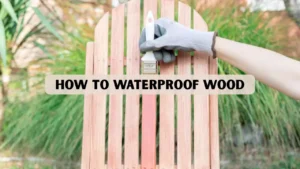


If you’re dealing with an old piece of furniture, trim, or antique that has a shellac finish, knowing how to remove shellac from wood is a skill every serious woodworker should have. Shellac, while beautiful and traditional, can become brittle, yellowed, or incompatible with modern finishes. Restoring or refinishing wood often begins with safely and thoroughly removing that shellac layer.
In this guide, we will walk you through professional-tested methods, provide insights from preservation experts, and share real-life case studies to help you confidently strip shellac and prepare your surface for a new life.
Key Takeaways:
- Learn safe and effective techniques for how to remove shellac from wood using chemical, mechanical, and heat methods
- Understand the pros and cons of each method so you can choose the best one for your project
- See real-world examples of successful shellac removal to reinforce best practices
- Get expert advice on preparing wood for refinishing after shellac removal
- Learn key safety precautions and common mistakes to avoid
What Is Shellac and Why Remove It?
Shellac is a natural resin made by insects, processed into flakes, then dissolved in alcohol to form a finish. Once the alcohol evaporates, a protective and glossy film remains on the wood.
Over time, shellac may:
- Yellow with age
- Crack, craze, or become brittle
- Build up in layers from re‑applications
- Prevent you from applying a different type of finish
Removing shellac becomes essential when restoring antiques or preparing for a fresh stain or varnish.
Tools and Materials You Will Need
Here is a breakdown of the materials and tools you should prepare before you start. Having everything ready makes the process smoother and more professional.
Solvent‑based removal (chemical)
- High-purity denatured alcohol (190 proof is ideal)
- Clean, soft lint-free cloths or rags
- A plastic scraper or putty knife (never use sharp metal)
Mechanical removal
- Fine‑grit sandpaper (180 to 320 grit)
- Fine steel wool (grade 000 or 00) for tight spots
Heat-based removal
- A heat gun set to low or medium
- A cloth to use between the gun and wood surface
- Heat-resistant gloves and safety goggles
After removal (refinishing prep)
- Tack cloth or vacuum to remove dust
- Wood filler for any cracks or blemishes
- Mild wood cleaner (optional)
- Fine sandpaper for final smoothing
Safety gear
- Gloves (nitrile or chemical-resistant)
- Respirator or mask (especially in poorly ventilated areas)
- Eye protection
Methods for How to Remove Shellac from Wood
Removing shellac from wood can be approached in several ways depending on the thickness of the finish, the type of wood, and the desired final result. Below are the most effective professional-tested methods.
Method 1: Chemical Removal with Denatured Alcohol
One of the most common and trusted methods is using denatured alcohol to dissolve shellac. This is especially effective for older or thick shellac layers.
Step-by-Step Process
- Place your wood piece on a stable, well-ventilated work surface.
- Pour a small amount of denatured alcohol onto a soft cloth.
- Gently rub the cloth in circular motions over the shellac-coated area.
- Let the alcohol sit for a minute or two so it can penetrate and soften the shellac.
- Use a plastic scraper to gently lift the softened shellac off. Work in small areas for better control.
- Repeat the process, reapplying alcohol, rubbing, and scraping until most or all shellac is removed.
- Wipe the surface afterward with a fresh cloth dampened with clean alcohol to remove residue.
- Allow the wood to dry completely before sanding or refinishing.
Tips and Best Practices
- Use high–proof denatured alcohol. Lower-proof blends may contain additives that impair effectiveness or leave residues.
- Work in manageable sections so the alcohol doesn’t evaporate too quickly.
- Avoid metal scrapers; plastic ones reduce the risk of damaging the wood.
Safety Precautions
- Denatured alcohol is highly flammable, no open flames or sparks nearby.
- Use gloves and goggles, and ensure good ventilation.
- Dispose of used rags safely: soaked rags can spontaneously ignite; store them in a sealed, water-filled container until disposal.
Method 2: Mechanical Removal (Sanding and Steel Wool)
Sanding is often used for thin shellac layers or final cleanup after chemical removal. Steel wool is especially useful in intricate areas or corners.
Step-by-Step Process
- Begin with medium-grit sandpaper, such as 180 or 220 grit. Sand lightly with the direction of the wood grain.
- For crevices or moldings, gently rub fine steel wool (000 or 00) along the surface.
- Once the majority of shellac is removed, switch to finer grit sandpaper (320 grit) to smooth the surface.
- Use a tack cloth or vacuum to clear off sanding dust.
- Check for any remaining finish, and touch up with alcohol + steel wool if needed.
Tips
- Take care not to sand too aggressively, especially on delicate or soft woods. Over-sanding can damage the wood.
- Use a sanding block or orbital sander for flat, large surfaces to get even results.
- Keep your sanding area clean so dust doesn’t re‑deposit on the wood.
Method 3: Heat-Softening Technique
Using heat can be an effective way to soften shellac so that it easily scrapes off, but it requires careful control.
Step-by-Step Process
- Wear heat-resistant gloves and eye protection.
- Set your heat gun to a low or medium setting. High heat can scorch the wood.
- Hold the heat gun a few inches above a small section of shellac. Move it slowly and evenly.
- As the shellac heats and softens, use a plastic scraper to scrape it away gently.
- Wipe the surface with a cloth dampened in clean water or alcohol to remove softened residue.
- Repeat section by section until all shellac is removed.
Warnings and Safety Notes
- Do not let the heat gun dwell in one spot; concentrated heat can burn the wood.
- Work in a well-ventilated space. Heated shellac can release fumes.
- Keep a fire extinguisher nearby when using any heat-based method.
Case Studies
- A vintage oak dresser from the 1950s was restored by a furniture restorer who used denatured alcohol and a plastic scraper, followed by fine sanding. The old shellac was removed layer by layer, preserving the fine oak grain so that a new clear finish could be applied.
- A builder renovating a traditional Victorian home used a heat gun to remove shellac from ornate mahogany trim. The shellac softened quickly, allowing clean, detailed scraping without damaging the wood’s delicate profile.
These examples illustrate not only how to remove shellac from wood, but also how to choose the right technique for different types of projects.
Preparing the Wood for a New Finish
Once you have successfully removed the shellac, the next step is preparing your wood surface for refinishing.
Preparation Steps
- Clean the surface using a mild wood cleaner or just a damp cloth to remove any remaining solvent or dust.
- Let the wood dry completely. Moisture can interfere with the adhesion of new finishes.
- Fill any cracks, gouges, or holes using a compatible wood filler. Let it cure fully.
- Lightly sand the entire surface with fine-grit sandpaper (320 grit) to achieve a smooth, uniform base.
- Vacuum or wipe with a tack cloth to remove all dust.
- Optionally, apply a conditioning treatment, like a sanding sealer or shellac-based sealer coat, to stabilize the wood before your final finish.
Common Mistakes to Avoid
- Using impure or low‑proof alcohol: Not all denatured alcohol is the same. Some contain a lower percentage of ethanol or include harmful additives. This can result in weak dissolving power and unpredictable results when trying how to remove shellac from wood.
- Scraping too hard: Even though shellac softens, aggressive scraping can gouge or damage the wood. Use gentle pressure.
- Skipping safety gear: Denatured alcohol is flammable, and heated shellac releases fumes. Always wear gloves, eye protection, and work in a ventilated area.
- Rushing the drying process: If you refinish too soon, residual alcohol or moisture can spoil your new coat.
- Not testing first: On historic or valuable pieces, always test your chosen removal method on a small, inconspicuous area to check for reaction.
Conclusion
Mastering how to remove shellac from wood is a cornerstone technique in woodworking and restoration. Whether your goal is to refinish a vintage piece, restore historic trim, or apply a new modern finish, removing shellac properly sets the foundation for success.
By combining professional-tested chemical, mechanical, and heat methods, backed by preservation standards and expert advice, you can safely and effectively strip shellac. Once the wood is clean, smooth, and prepped, you’re ready to bring new life to your project.
Frequently Asked Questions
Can I remove shellac without chemicals?
Yes. Sanding and heat methods let you remove shellac without using solvent. However, these approaches may take more effort and care — especially on intricate woodwork.
Is shellac removal dangerous?
It can be if you ignore safety precautions. Denatured alcohol is highly flammable and gives off fumes. Heat guns can cause burns or ignite finishes. Use protective gear and proper ventilation.
How long does it take to remove shellac?
It depends on which method you use and how thick or aged the shellac is. Chemical removal often works in a few hours (or less, for small areas), while sanding may take more time.
Can the removed shellac be reused?
Yes. If you collect the shellac carefully (for example, in a container), you can dissolve it again with pure alcohol and reuse it, though this is more commonly done with shellac flakes rather than used finish.
What kind of finish can I apply after removing shellac?
After shellac removal, you can apply new shellac, polyurethane, varnish, lacquer, paint, or water-based finishes — as long as the wood is clean, dry, and well-prepped.